

CMO Role is Evolving, Tenure and Influence on the Rise
Snapshot: The role of the chief marketing officer is stabilizing, but it’s far from static. According to Spencer Stuart’s 2025 CMO Tenure Study, the average CMO tenure at Fortune 500 companies in 2024 was 4.3 years, up slightly from 4.2 years in 2023. While still shorter than most other C-suite roles, this increase suggests a trend toward greater continuity in marketing leadership.
The report also found that 65% of CMOs who exited their roles moved into either lateral or higher-ranking positions. Notably, 10% of former CMOs stepped into CEO roles, reinforcing the idea that marketing experience is becoming a more direct path to the top. Today, 37% of Fortune 500 CEOs have some background in marketing, an indication that strategic brand leadership and customer insight are increasingly valued at the highest levels of business.
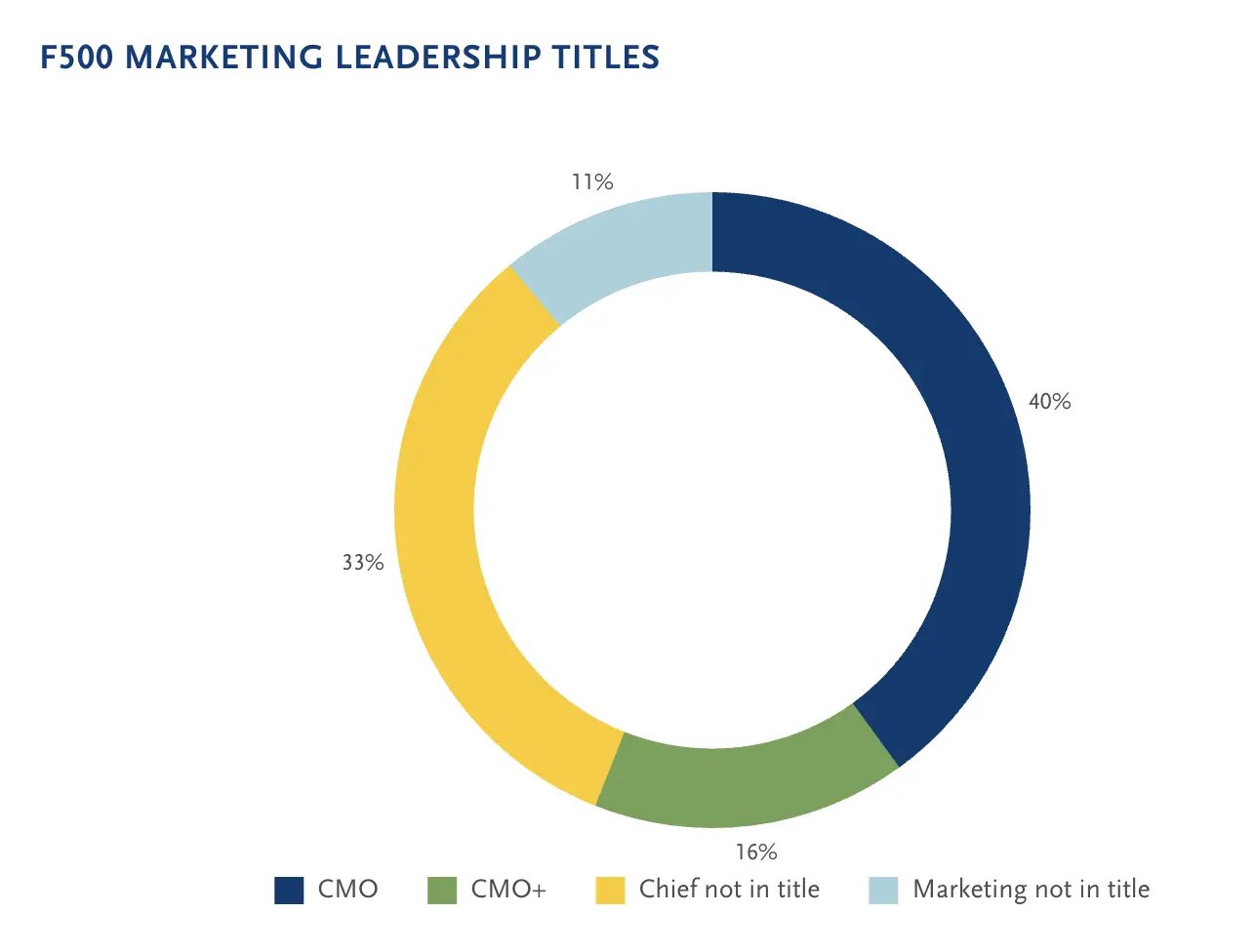
At the same time, the traditional CMO role is evolving. In 2024, 40% of marketing leaders still held the classic "chief marketing officer" title, but an increasing number are taking on expanded positions in areas such as growth, customer experience, and revenue generation. Companies are experimenting with titles like chief customer officer, chief commercial officer, and chief brand officer to reflect these broader responsibilities.
The presence of CMOs within Fortune 500 companies remains significant but has seen some shifts. The study found that:
- 34% of Fortune 500 companies do not have an enterprise-level CMO, a decrease from previous years.
- 58% of CMOs were promoted from within their organizations, emphasizing the importance of internal succession planning.
- Diversity in marketing leadership remains a challenge—53% of CMOs are women, but only 12% come from historically underrepresented racial or ethnic groups.
These trends show that while marketing remains a critical function, the way companies structure their leadership is shifting. Some businesses are integrating marketing into commercial functions, while others are decentralizing it by placing marketing leadership within specific business units rather than at the enterprise level. As the role of the CMO continues to evolve, its increasing proximity to revenue, customer experience, and overall business strategy suggests that marketing will play an even bigger role in shaping corporate success in the years ahead.
Full story: SPENCER STUART