
ROI of Culture: How Employee Experience Drives Business Behavior
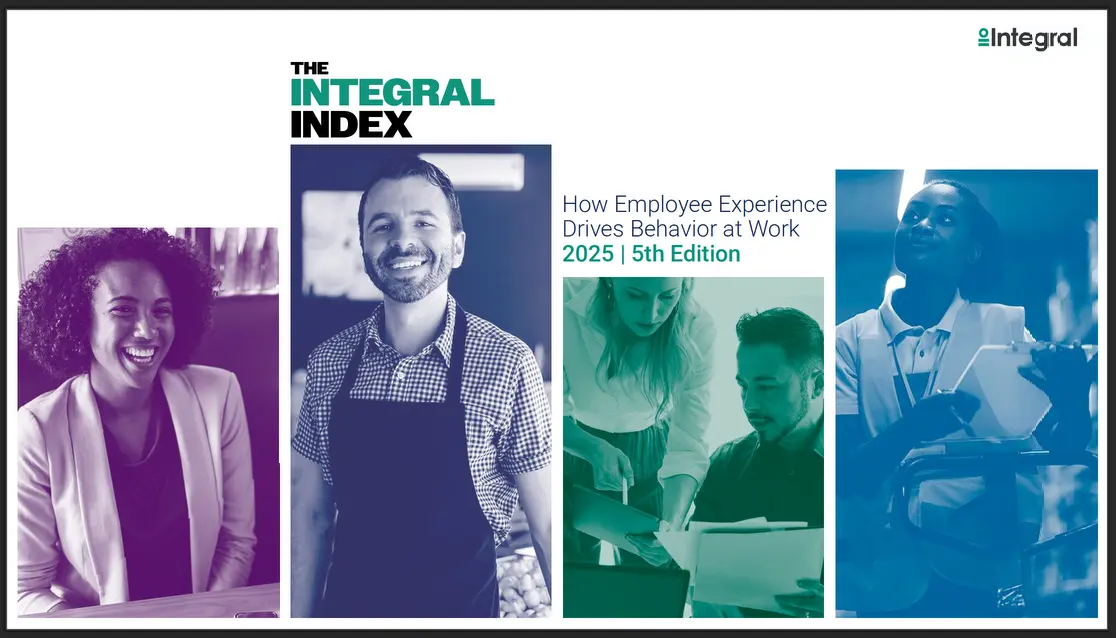 Integral, a sponsor of the upcoming Financial Narrative Summit, has released its fifth annual Index in partnership with The Harris Poll. The study, based on feedback from over 2,000 U.S. employees, uncovers persistent misalignments between leadership perceptions and what employees experience daily.
While 73% of employees say their company follows its stated values, only 32% say this is “completely” true—highlighting a disconnect that affects trust and morale. And across nearly every question—emotions, opportunity, fairness—senior leaders are significantly more optimistic than frontline or non-management staff.
“Employee experience and culture work might generate positive vibes and good karma,” said Ethan McCarty, CEO of Integral. “But the Integral Index study authoritatively demonstrates the direct impact on both attaining better business results and avoiding crises."
McCarty says firms that intentionally invest in manager communications, employee listening, and company values can confidently predict a significant and measurable rise in employees working harder for customers and defending the company.
"Those same companies will see a decrease in employees sabotaging the brand," McCarty affirmed, "warning away talented candidates, and ignoring confidentiality and security protocols.”
More key findings from the 2025 Integral Index:
-
Values matter, but few walk the talk. Employees who believe their company lives its values are 31 points more likely to act in support of the brand.
-
Managers shape culture but lack support. Only 15% of frontline managers are often asked to share company messages, and 31% say they receive no comms training at all.
-
AI adoption is high, but policy lags. 64% of employees use AI tools for work, but many lack clear guidelines—especially outside tech-forward organizations.
-
Younger employees are more “activist”. Gen Z workers are more likely to take visible action when dissatisfied—including protest, social media posts, or even whistleblowing.
-
The more senior you are, the better work feels. On average, senior leaders are 25–33 points more positive than non-managers on key metrics like fairness, vision, and growth.
The report underscores a clear takeaway: employee trust, engagement, and advocacy hinge on values alignment and consistent communication—especially during change. That’s not just an HR concern; it’s a strategic communications priority.
Click here to get the 2025 Integral Index
Catch Integral and more amazing sponsors at the Financial Narrative Summit in NYC this April 29